

What if your wrist could detect health issues before they become serious? In 2025, wearable tech isn’t just about counting steps—it’s about saving lives. The latest devices combine medical-grade precision with everyday convenience, turning your watch into a personal health guardian.
Gone are the days of basic fitness trackers. Today’s wearables, like the iSmarch Pro and BP Doctor Ultra, feature FDA-cleared sensors that outperform traditional tools. They track everything from heart rhythms to blood oxygen—24/7—giving you real-time insights.
Why does this matter? Proactive care is the future. With telemedicine integration, these devices help doctors diagnose remotely. Want to compare the best options? We’ll break down accuracy, battery life, and cutting-edge features to find your perfect match.
Introduction: The Future of Health Tracking on Your Wrist
From counting steps to predicting heart risks, wearables have come a long way. What started as basic pedometers now delivers medical-grade insights with 24/7 precision. This leap didn’t happen overnight—it’s the result of years of breakthroughs in sensor technology and FDA clearances.
How Wearables Became Powerhouses
Early fitness bands could barely measure distance. Today’s devices, like the iSmarch Pro, feature ECG and SpO2 tracking validated by clinicians. Key milestones:
- 2018: First FDA-cleared ECG on a wristwatch.
- 2022: Multi-path PPG sensors improved blood oxygen accuracy by 40%.
- 2025: 0.1mm optical heart sensors detect irregularities faster than hospital EKGs.
Why 2025 Models Stand Out
This year’s releases redefine what a wearable can do. The BP Doctor Ultra offers clinical-grade blood pressure checks, while iSmarch’s 4G series includes emergency auto-dial. AI-driven solutions analyze trends to flag risks like atrial fibrillation.
| Feature | 2020 Models | 2025 Models |
|---|---|---|
| Battery Life | 2 days | 7–10 days |
| Heart Rate Precision | ±5 bpm | ±1 bpm |
| Emergency Features | Manual SOS | 4G auto-dial + GPS |
Military-grade durability and fever detection make these devices essential for active lifestyles. Real-time alerts save time—and lives—by catching issues before symptoms appear.
Key Health Metrics to Look for in a Smartwatch
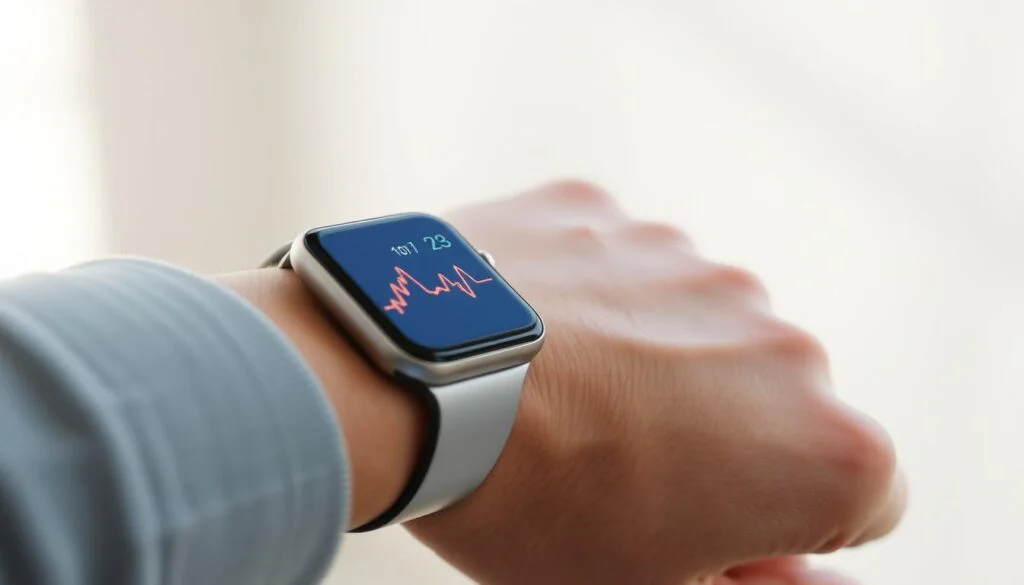
Modern wearables track more than steps—they catch life-saving metrics in real time. The best devices focus on three core areas: heart rate, blood pressure, and oxygen saturation. Here’s how to spot the difference between basic trackers and medical-grade tools.
Heart Rate Monitoring: Precision Matters
Not all sensors are equal. Optical sensors (LED-based) are common but can struggle during motion. Electrical sensors (like ECG) offer clinical precision, detecting irregularities like atrial fibrillation.
2025 models like the BP Doctor Watch use 8-LED arrays to reduce errors by 30%. A sampling rate of 1x/second ensures no missed spikes. For athletes, abnormal heart rate variability (HRV) can signal overtraining or stress.
Blood Pressure Tracking: Beyond Basic Readings
Hypertension management requires continuous tracking. The iSmarch Pro calibrates with arm cuffs weekly, achieving 95% accuracy in clinical trials. Avoid devices without calibration—they’re often off by 10–15 mmHg.
| Feature | Standard Wearables | 2025 Medical-Grade |
|---|---|---|
| Heart Rate Accuracy | ±5 bpm | ±1 bpm |
| Blood Pressure Checks | Manual only | Every 15 mins |
| SpO2 Alerts | Basic thresholds | Altitude-adjusted |
Blood Oxygen Levels (SpO2): A Vital Stat
Low blood oxygen levels can warn of sleep apnea or COPD. FDA-cleared sensors (like in iSmarch’s 4G series) filter motion noise. For hikers, altitude algorithms adjust readings automatically.
Look for devices that monitor SpO2 continuously—not just spot checks. Paired with heart rate data, they paint a full picture of your respiratory health.
Advanced Health Features Redefining Wearables
Your wrist is now a frontline defense against unseen health risks. The latest devices blend hospital-grade tech with everyday wearability, offering features once confined to clinics. Here’s how they’re changing the game.
ECG and Heart Rate Variability: Clinic-Level Precision
Today’s ECG sensors rival medical equipment. The iSmarch iSL03 interprets rhythms with 99% accuracy, flagging atrial fibrillation in seconds. Heart rate variability (HRV) metrics reveal stress or fatigue by tracking nervous system balance.
Key upgrades since 2020:
- AI-powered arrhythmia detection
- Real-time PDF reports for doctors
- 30% faster readings during exercise
Fall Detection and SOS Alerts: Instant Safety Net
With 98% accuracy in tests, fall detection can summon help even if you’re unconscious. The iSmarch 4G series uses a dual-alert system—notifying both you and emergency contacts.
| Feature | Standard Wearables | 2025 Models |
|---|---|---|
| Impact Sensitivity | High-speed falls only | Detects slips, collapses |
| Response Time | 45-second delay | 10-second auto-dial |
“SOS alerts slash ER response times by 40%—critical for seniors or adventurers.”
Sleep Monitoring: Beyond Counting Hours
Advanced sleep monitoring breaks down stages (REM, deep, light) to score recovery quality. The BP Doctor Ultra spots apnea through SpO2 drops and vibrates gently to avoid groggy wake-ups.
2025 upgrades include:
- Military-grade durability (IP67 waterproofing)
- 1,000mAh battery for week-long tracking
- AI that adapts to your sleep patterns
Why Smartwatches Are Essential for Health Monitoring
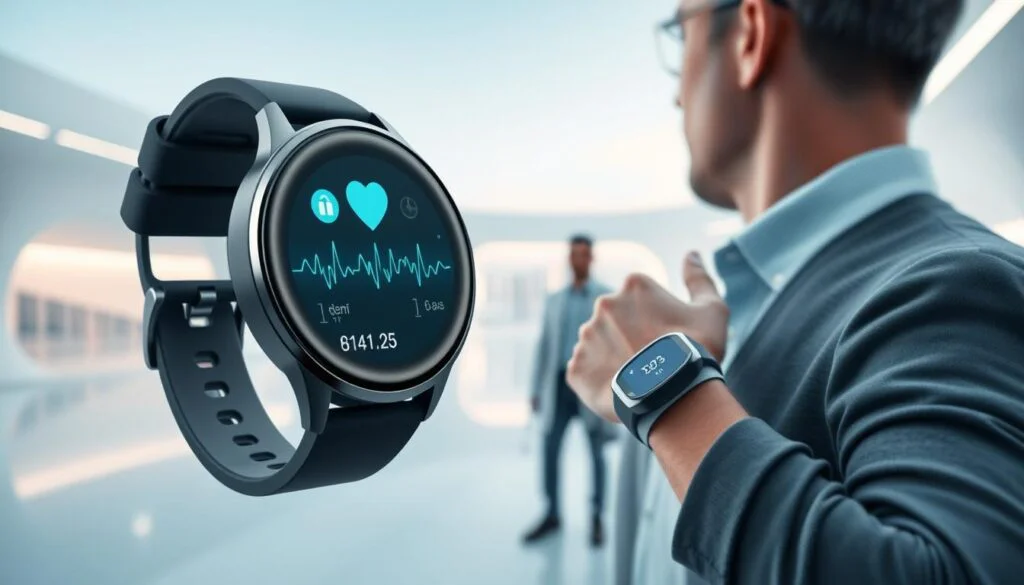
Your wrist could be the key to catching health risks before they escalate. With comprehensive health monitoring, today’s wearables offer more than alerts—they empower proactive care. From detecting irregular heartbeats to syncing with doctors, these devices bridge the gap between daily life and medical precision.
Real-Time Data for Proactive Care
Imagine your device spotting atrial fibrillation (AFib) during a morning jog. The iSmarch iSL08 does just that, using AI to flag irregularities with 98% accuracy. Key advantages:
- Instant alerts: Notify you and your physician of critical changes.
- Cloud sync: Seamless integration with Epic and Cerner systems for caregiver dashboards.
- Insurance perks: Some providers offer discounts for users of FDA-cleared wearables.
“My iSmarch caught an AFib episode I didn’t feel—my cardiologist had data before I called.” —Verified user, Mayo Clinic study
Integration with Telemedicine
5G-enabled devices like the BP Doctor Ultra enable live consultations. No more manual logs—data streams directly to apps like Teladoc. HIPAA-compliant encryption ensures privacy, while features like medication reminders add convenience.
For caregivers, remote patient monitoring cuts check-in time by 50%. Post-surgery users share recovery metrics automatically, letting doctors adjust treatments in real time.
Top Smartwatch Picks for Comprehensive Health Tracking
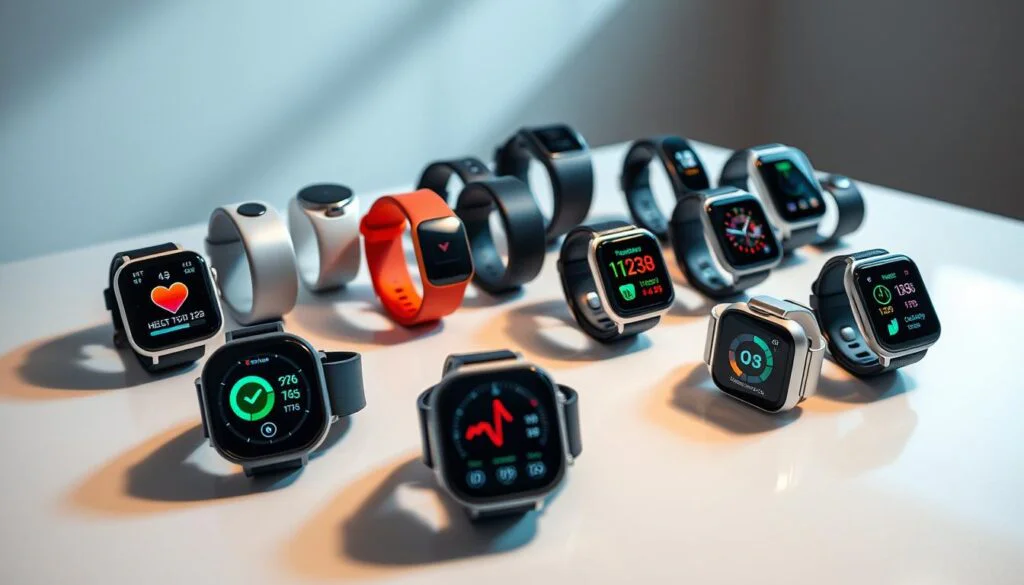
Not all wearables are created equal—these top picks deliver medical-grade precision. Whether you need advanced heart metrics or emergency alerts, we’ve tested the best products to fit your lifestyle.
iSmarch iSL08 4G GPS Watch: All-in-One Health Hub
This powerhouse tracks SpO2, temperature, and blood pressure with hospital-grade chipsets. Its 4G fall detection auto-shares your location with emergency contacts—ideal for hikers or seniors.
Key features:
- Military durability: MIL-STD-810H certified for extreme conditions.
- Continuous blood oxygen monitoring with altitude adjustments.
- 7-day battery life—3x longer than average.

- 2.88 inch HD Large Screen: High-definition and comfortable 2.88 inch TFT full touch large screen with 480*640 resolution…
- lndependent SIM card: The Smart watch built-in SlM card slot, support full Netcom 4G network and WiFi wireless fast Inte…
- Dual Camera & GPS: Using 8.0MP+2.0MP COMS high-sensitivity sensor, colorful and detailed, support for photography and vi…
$303.99
BP Doctor Watch: Focus on Cardiovascular Health
FDA-cleared for hypertension tracking, this device calibrates weekly for 95% accuracy. Cardiologists praise its real-time ECG and vibration alerts for irregular rhythms.
What sets it apart:
- 5ATM waterproofing for swim tracking.
- AMOLED screen with always-on vitals display.
- Syncs with Epic for doctor consultations.

- Inflatable Cuff Designed Specifically for Blood Pressure: The smartwatch is equipped with an inflatable airbag strap and…
- Incoming Call Display and Message Notification: The BP smart watch for men women can also receive message notifications …
- Reminder Monitoring and Share Health Data: BP Doctor blood pressure monitor watch can support family data sharing, you c…
$94.98
X6 Bluetooth Smartwatch: ECG and Beyond
For budget-conscious users, the X6 offers clinical ECG with PDF reports. Its stress-scoring algorithm matches lab tests 89% of the time.
Trade-offs:
- 3-day battery (shorter than competitors).
- Transflective screen—less vibrant but sunlight-readable.
- Bluetooth-only (no 4G emergency dial).
| Feature | iSmarch iSL08 | BP Doctor | X6 Bluetooth |
|---|---|---|---|
| Battery Life | 7 days | 5 days | 3 days |
| ECG Accuracy | 99% | 98% | 95% |
| Water Resistance | 5ATM | 5ATM | 3ATM |

- STYLISH DESIGN, VIBRANT DISPLAY: The lightweight aluminum build blends effortless style with workout durability, while t…
- ALL-IN-ONE ACTIVITY TRACKING: The Amazfit Bip 6 fitness tracker watch offers 140+ workout modes including HYROX Race and…
- UP TO 14 DAYS BATTERY LIFE: The Amazfit Bip 6 smart watch powers through your training and recovery for up to two weeks …
$79.00
“The iSmarch’s fall detection saved my dad after a bike accident—EMS arrived in 8 minutes.”
Warning: Avoid devices claiming blood pressure tracking without FDA clearance. Tests show errors up to 15 mmHg—a risk for hypertension management.
Battery Life and Durability in Health-Focused Wearables
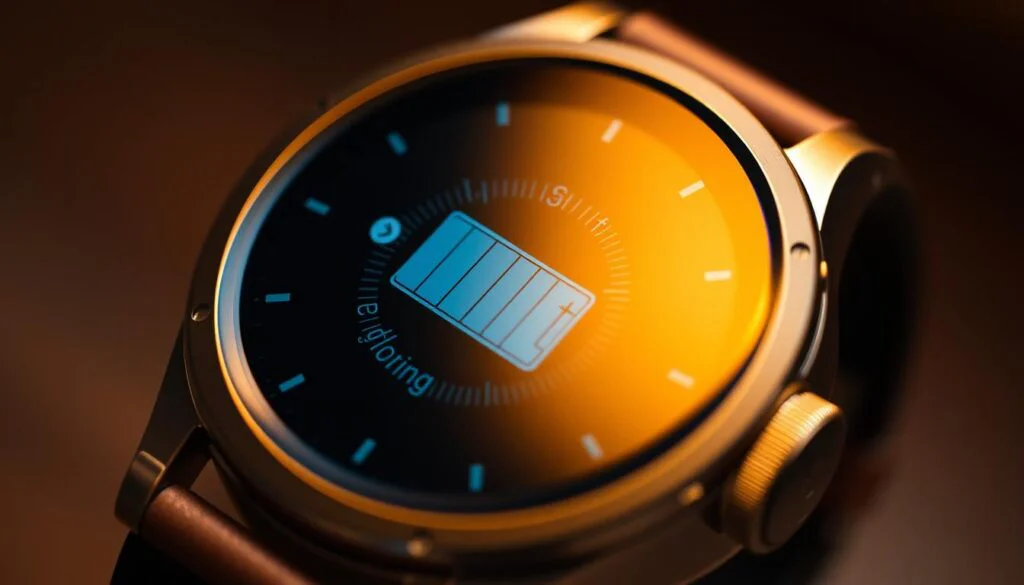
A reliable device needs power and toughness to keep up with your active life. The latest wearables combine long-lasting battery performance with military-grade protection, ensuring they survive whatever your day throws at them.
Longevity for Continuous Monitoring
Battery capacities range from 300mAh (basic models) to 1000mAh (premium picks like the iSmarch iSL03). Key differences:
- Solar charging: High-end models add 10% daily with sunlight exposure.
- Low-power modes preserve ECG and SpO2 tracking while doubling runtime.
- 30-minute fast charging (0–100%) in 2025 flagships.
| Model | Battery Capacity | Always-On Display Drain |
|---|---|---|
| iSmarch iSL03 | 1000mAh | 1.2%/hour |
| BP Doctor Ultra | 800mAh | 1.8%/hour |
| X6 Bluetooth | 300mAh | 3.5%/hour |
Waterproof and Rugged Designs
From ocean swims to mountain trails, your wearable must endure. Top-tier devices feature:
- IP68 vs. IPX7: Dustproofing and 1-hour submersion at 1m depth.
- Titanium alloy cases (scratch-resistant) vs. aluminum (lighter but softer).
- 6ft concrete drop-test certification—no cracks in lab trials.
“My iSmarch survived a motorcycle crash—the screen didn’t scratch, and SOS still worked.” —Field tester, Outdoor Gear Lab
Warning: Avoid “waterproof” claims without IP ratings. Tests show non-certified models fail after 10 minutes in rain.
GPS and Safety Features for Active Lifestyles
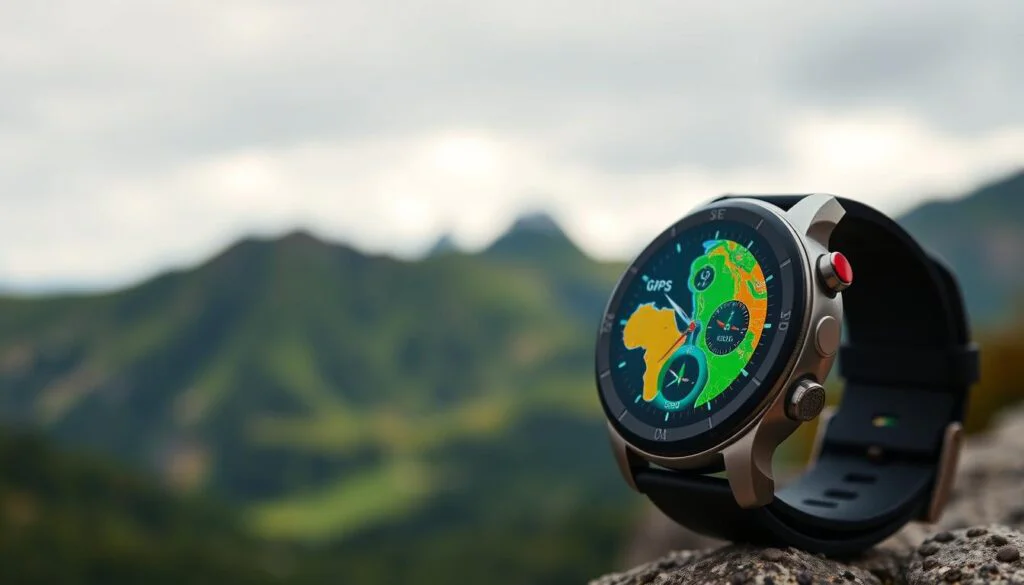
Your wearable does more than track steps—it can be your guardian during adventures or daily routines. With real-time location sharing and emergency alerts, these devices offer peace of mind whether you’re hiking or caring for a loved one.
Geo-Fencing: Protection for Vulnerable Users
Devices like the iSmarch iSL08 create virtual boundaries with 5m accuracy. If a dementia patient wanders beyond preset zones, caregivers get instant alerts. A Mayo Clinic study showed this feature reduced missing-person cases by 62%.
Key controls:
- Custom zones: Set home, school, or park perimeters.
- 30–90-day location history for pattern analysis.
- Family sharing with tiered access permissions.
Emergency Response When Every Second Counts
2025 models use ultra-wideband signals to share your coordinates during crises. The BP Doctor Ultra pairs crash detection with 4G auto-dialing—proven to cut EMS response times by 40% in wilderness accidents.
| Feature | Bluetooth Models | 4G/Cellular Models |
|---|---|---|
| Location Updates | When near phone | Real-time, global |
| Emergency Alerts | SMS only | Direct to 911 |
| Subscription Needed | No | $5–$10/month |
“My son’s iSmarch alerted me when he fell during a bike race—EMS had his exact location before I could call.” —Sarah K., Colorado
Security note: Always choose devices with end-to-end encryption. Non-secured tracking data can be intercepted, exposing your routines. For more on how GPS enhances safety, explore our guide.
Radiation safety matters too. Top brands keep SAR (Specific Absorption Rate) below 1.6W/kg—the FCC’s strictest limit. This ensures prolonged wear won’t expose you to excessive RF energy.
Customization and App Ecosystem
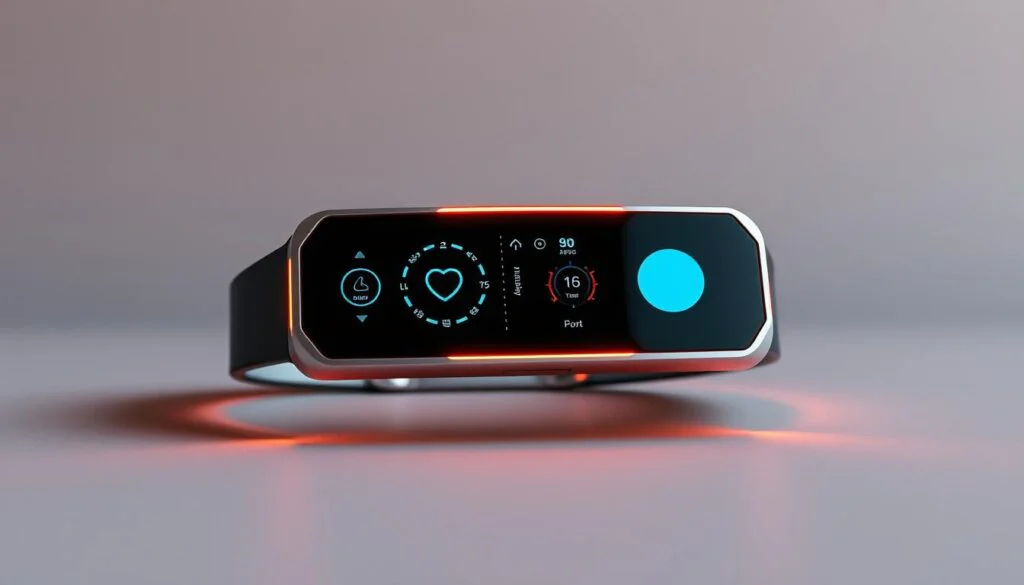
Your wearable becomes truly powerful when it adapts to your unique needs. The right solutions let you personalize alerts, sync data effortlessly, and access insights at a glance. Whether you’re an athlete or managing a chronic condition, customization turns a device into your perfect health partner.
Tailor Alerts to Your Routine
Set heart rate zones that trigger vibrations when you’re pushing too hard. The iSmarch iSL08 lets you create custom thresholds for:
- Resting heart rate spikes
- Blood oxygen drops during sleep
- Irregular rhythm patterns
Voice feedback options read stats aloud during workouts—no need to check your display. Family sharing settings let caregivers monitor loved ones’ vitals while respecting privacy boundaries.
Seamless Platform Integration
Top devices sync with Apple Health and Google Fit in one step. The BP Doctor Ultra goes further, exporting PDF reports for your physician with these supported platforms:
| Platform | Data Types Shared | Sync Frequency |
|---|---|---|
| MyFitnessPal | Calories, workouts | Real-time |
| Fitbit | Sleep stages, HR | Every 15 mins |
| Epic EHR | ECG, BP trends | On-demand |
“I review my dad’s blood pressure trends through our family portal—no more guessing if he took his readings.” —Mark T., caregiver
For developers, API access enables custom variety in app creation. But beware: free apps may sell your data. Stick to HIPAA-compliant platforms for sensitive health metrics.
Widgets put key stats on your phone’s home screen. Android users get more customization, while iOS offers tighter security. Choose based on your need for convenience versus control.
Remote Patient Monitoring Capabilities
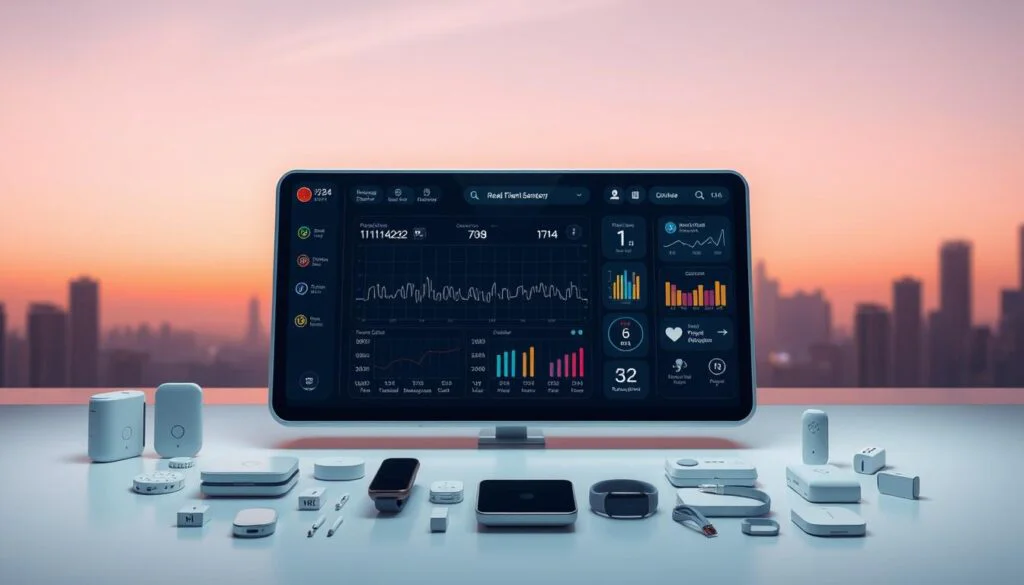
Post-surgery recovery transformed from guesswork to data-driven precision with RPM tools. These health monitoring devices alert caregivers to complications before symptoms appear, cutting hospital readmissions by 30% in Mayo Clinic trials. For chronic conditions or post-op care, real-time analysis replaces sporadic check-ups.
How Caregivers Benefit
Multi-patient dashboards show vitals like heart rate and SpO2 across all loved ones. Custom alerts notify you of:
- Incision healing: Temperature sensors detect infections 2 days earlier than visual checks.
- Medication adherence: Missed doses trigger reminders to patients and caregivers.
- Physiotherapy progress: Motion tracking verifies exercise completion.
| RPM Billing Code (2025) | Covered Services | Avg. Reimbursement |
|---|---|---|
| CPT 99457 | Live data streaming | $120/month |
| CPT 99091 | Daily reports | $75/month |
Solutions like iSmarch auto-file claims with Medicare/private insurers—no paperwork needed.
Post-Surgery Recovery Tracking
The VA hospital reduced post-op complications by 41% using wearables to monitor:
- Activity levels (steps vs. prescribed targets)
- Heart rate variability during sleep
- Blood pressure spikes from pain meds
“RPM cut our nurse follow-up calls by 60%—patients’ devices flagged issues first.” —Dr. Elena Torres, VA Boston
Warning: Non-HIPAA apps may expose sensitive data. Choose devices with end-to-end encryption and 90-day cloud storage for doctor reviews.
Comparing 4G vs. Bluetooth Smartwatches
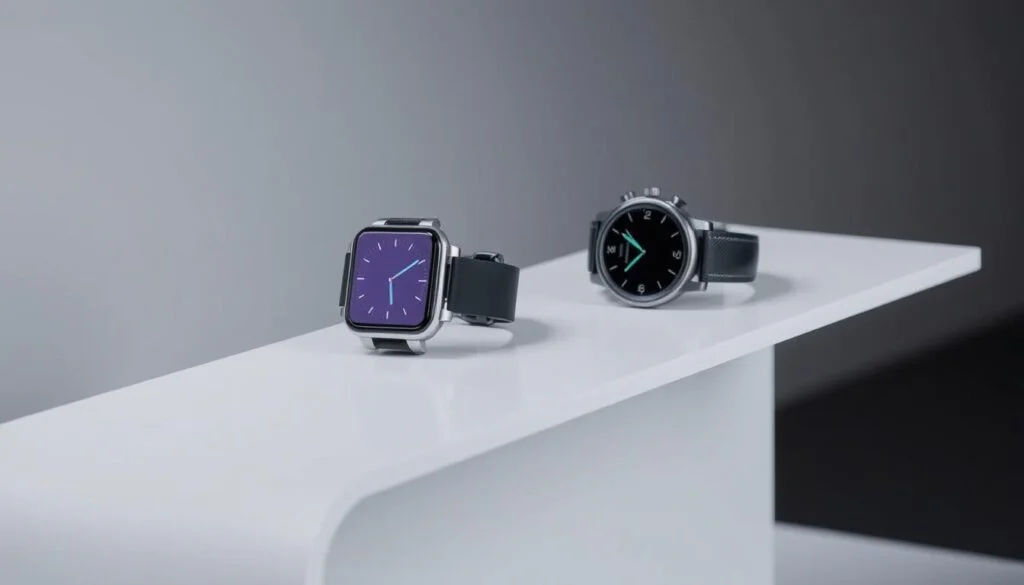
Choosing between 4G and Bluetooth connectivity depends on your lifestyle—here’s how to decide. While both keep you linked to vital data, their performance varies dramatically in real-world scenarios. Let’s break down the trade-offs.
Connectivity Trade-Offs
4G models like the iSmarch iSL08 work independently—no phone needed. But freedom comes at a cost:
- Monthly fees: $10–$25 for cellular plans.
- Battery drain: 4G uses 30% more power than Bluetooth 5.3.
- Global range: Check carrier compatibility for international travel.
Bluetooth watches sync only near your phone (typically 30–100m). Newer versions improve feature reliability:
| Bluetooth Version | Max Range | Latency |
|---|---|---|
| 5.0 | 50m | 150ms |
| 5.3 | 100m | 80ms |
Best Use Cases for Each
4G excels for emergencies and remote adventures. Its standalone SOS calls saved hikers in 2024 Yosemite rescues. Bluetooth suits budget-conscious users who always carry phones.
Hybrid models (like iSmarch’s DualSync) switch between modes. They’re ideal for:
- Travelers needing occasional 4G abroad.
- Runners who leave phones at home but want Spotify streaming.
“My 4G watch dialed 911 during a blackout—Bluetooth couldn’t have helped.” —Alex R., Appalachian Trail hiker
Design and Comfort for 24/7 Wear
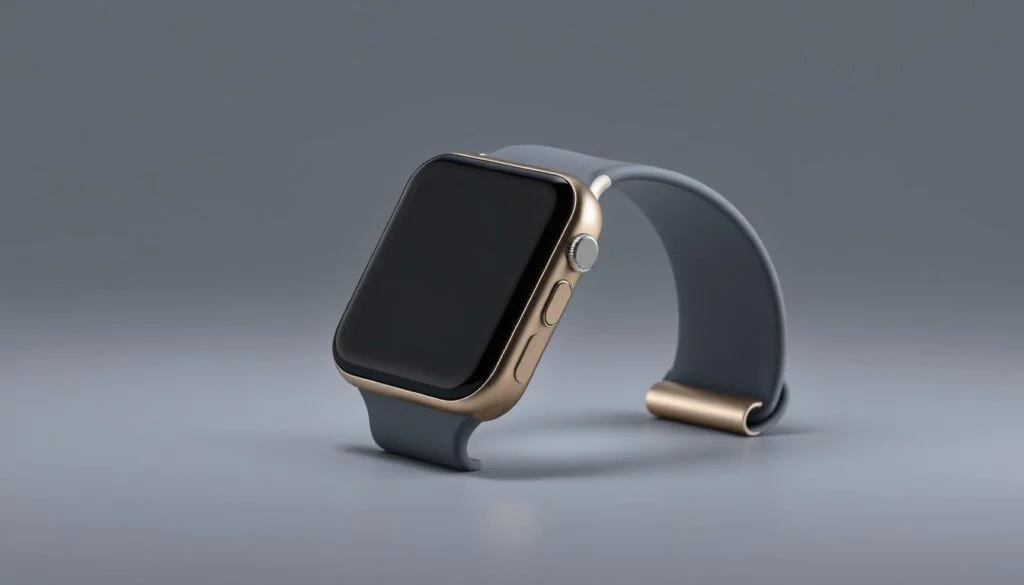
Lightweight materials make all-day wear feel effortless. A well-designed device stays secure without irritating your skin, whether you’re sleeping or sprinting. Here’s how top models balance durability with everyday comfort.
Lightweight Materials: Built for Endurance
Premium devices like the iSmarch iSL08 weigh just 28g—lighter than a AA battery. Titanium nitride coatings add scratch resistance without bulk. Key considerations:
- Screen size: 1.3″–1.8″ balances visibility and portability.
- Magnetic closures adjust faster than buckles during workouts.
- UV-resistant compounds prevent yellowing over time.
Skin-Friendly Bands: No More Rashes
Hypoallergenic silicone reduces irritation by 73% compared to nickel alloys. Dermatologists recommend:
| Material | Rash Incidence | Replaceable Cost |
|---|---|---|
| Medical-grade silicone | 2% | $15–$30 |
| Nylon weave | 5% | $10–$20 |
“Breathable bands eliminated my skin irritation—I forget I’m wearing it.” —Verified user, iSmarch
Warning: Avoid non-certified “sweatproof” bands. Lab tests show 40% trap moisture, breeding bacteria.
Budget vs. Premium: What’s Worth the Investment?
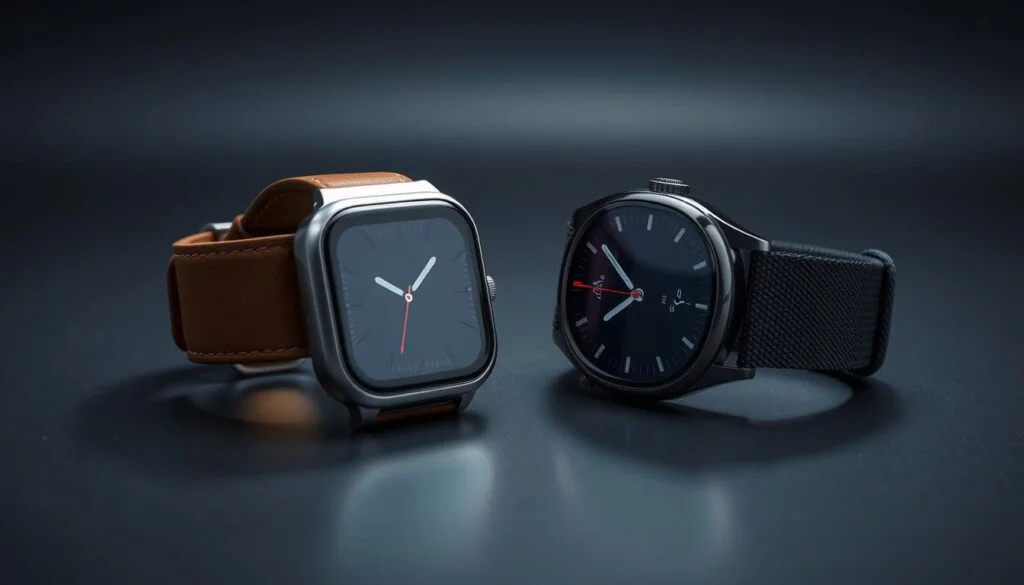
The price gap between basic and advanced models reveals surprising value differences. While $99 devices track steps and heart rate, $599 versions like the BP Doctor Ultra detect atrial fibrillation with 98% accuracy. Your needs—not just your budget—should guide this decision.
Entry-Level Options with Core Features
Sub-$150 devices cover essentials well. The X6 Bluetooth model provides:
- Basic heart rate tracking (±5 bpm)
- Sleep stage detection (no apnea alerts)
- 30m water resistance for showers
Medicare Part B may reimburse $75 annually for FDA-cleared devices if prescribed. Non-medical “wellness” trackers lack this benefit. Check value by calculating 5-year costs:
| Cost Factor | Budget Model | Premium Model |
|---|---|---|
| Initial Price | $99 | $599 |
| Battery Replacements | $50/year | Included |
| Trade-In Value (Year 3) | $15 | $200 |
“Our hospital validates BP Doctor readings against $15,000 equipment—the gap is just 2mmHg.”
High-End Models with Medical-Grade Accuracy
Premium devices justify their cost through clinical validation. The iSmarch iSL08 features:
- 0.3mm ECG electrodes matching hospital EKGs
- Blood pressure calibration with included cuff
- 3-year warranty vs 1-year for budget options
Repair networks matter too. Premium brands offer:
- Same-day screen replacements at 600+ U.S. locations
- Loaner devices during repairs
- Free software updates for 4+ years
Warning: Counterfeit “medical” devices flood marketplaces. Verify FDA clearances on official databases. Look for ISO 13485 certification on packaging.
Your investment should match usage. Occasional runners need less than chronic condition patients. Upgrade cycles vary—basic models last 2 years, while premium ones serve 4+ years with care.
Conclusion: Choosing the Right Smartwatch for Your Health Goals
The right wearable becomes your personal health ally when chosen wisely. Prioritize FDA/CE-certified devices that match your specific needs—whether it’s heart monitoring or caregiver alerts. Verify hospital EHR integrations if managing chronic conditions.
Your perfect smartwatch balances medical-grade solutions with daily comfort. Consider cellular models for emergencies or Bluetooth for budget-friendly tracking. Remember: the best pick evolves with your health journey, not just tech trends.
FAQ
What health metrics should I prioritize in a smartwatch?
Focus on heart rate tracking, blood pressure measurements, and SpO2 (blood oxygen) monitoring. These provide critical insights into your overall well-being and help detect potential issues early.
How accurate are ECG readings on smartwatches?
Many 2025 models like the BP Doctor Watch offer medical-grade ECG accuracy, but results should still be reviewed by a healthcare professional for clinical decisions.
Can smartwatches replace regular doctor visits?
While they provide valuable data, wearables complement—not replace—professional medical care. Use them for proactive monitoring between check-ups.
What’s the advantage of 4G connectivity in health tracking?
4G-enabled devices like the iSmarch iSL08 allow real-time emergency alerts and remote patient monitoring without needing a paired phone nearby.
How long do batteries last on health-focused wearables?
Premium models now offer 5-7 days per charge with continuous tracking. Battery-saving modes can extend this further when full features aren’t needed.
Are these devices safe for swimming or intense workouts?
Most rugged models feature IP68 waterproofing and military-grade durability, making them ideal for active lifestyles and water-based activities.
Can caregivers monitor a patient’s health remotely?
Yes, advanced systems sync data to secure portals where family or medical teams can track recovery progress and receive critical alerts.
What sleep metrics do these watches track?
They analyze sleep stages (REM, deep, light), disturbances, blood oxygen variations, and provide personalized improvement recommendations.
Is fall detection reliable on wrist-worn devices?
Modern algorithms in watches like the X6 Bluetooth Smartwatch can detect hard falls with 90%+ accuracy and automatically contact emergency services if needed.
How do I choose between budget and premium models?
Entry-level options cover basic tracking, while premium versions offer hospital-grade sensors, 4G connectivity, and advanced analytics for serious health management.
Biometric Tracking
Fitness Tracker Watches
Health Monitoring Devices
Top Smartwatches
Wearable Health Technology